Wheel on a Crowded Phone Screen: Where Small Taps Cost Money
You are standing in a jeepney queue, holding your phone in one hand, with a Wheel betting screen open and boarding about to start. The difficult part is not understanding the wheel. It is knowing whether the next tap changes a selection, repeats an earlier layout, or commits more money than you intended.
For an experienced player, the useful adjustment is a stricter boundary between preparing a wager and submitting it. A familiar layout can hide a changed denomination, a retained selection, or a promotion restriction. Before playing in the Philippines, check the site's eligibility requirements and whether participation is permitted where you are. Keep transport, bills and everyday e-wallet money outside your gambling budget.
The amount beside one selection is not your total exposure
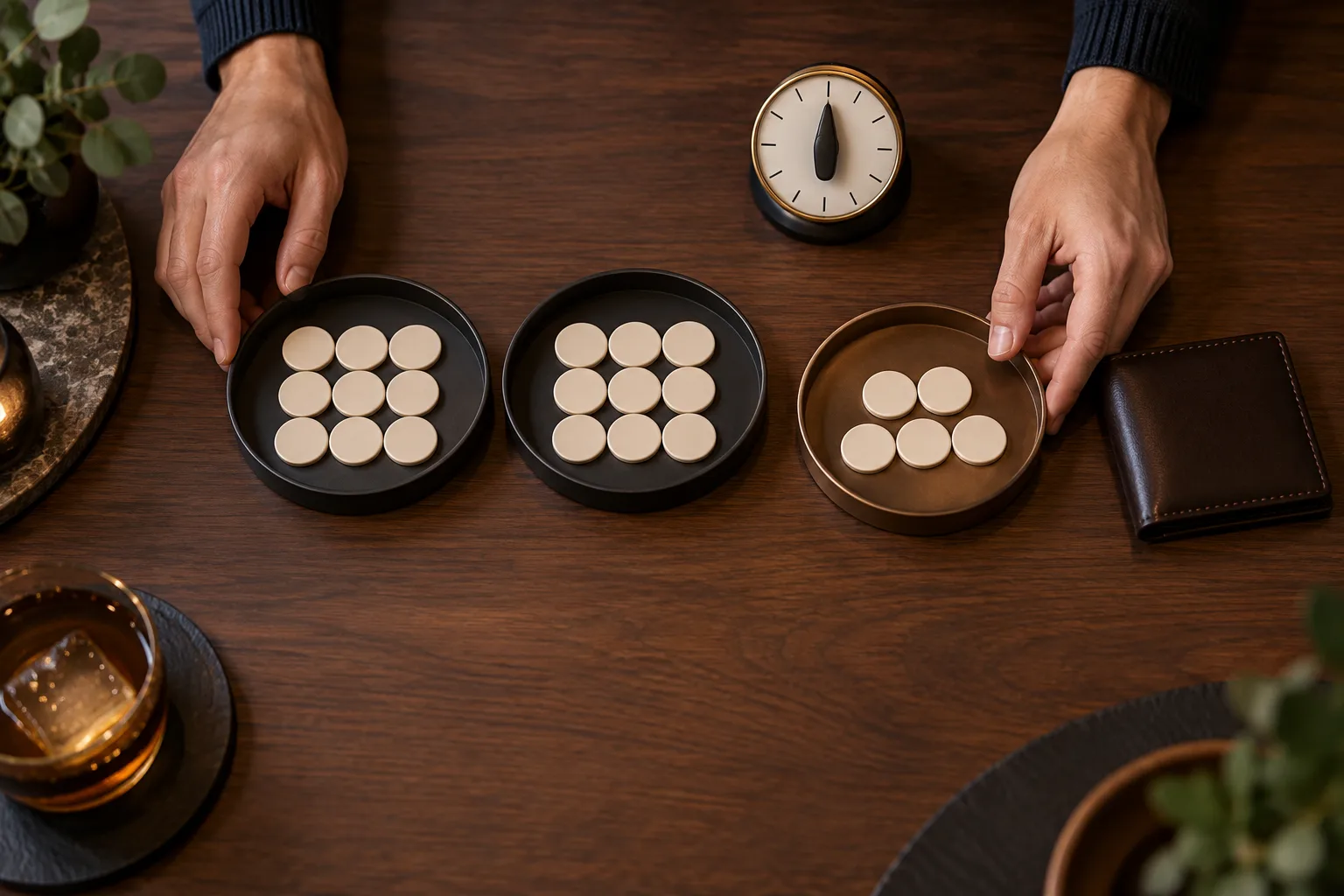
A wheel can draw attention towards its largest multiplier while the actual spending decision happens around its edges. Where a game allows several selections, each added stake can increase the amount committed to that round. The most useful figure is the complete wager, not the chip value currently selected.
Consider a hypothetical layout with PHP 10 placed on four separate outcomes. That commits PHP 40 if every selection is accepted. Raising the chip value to PHP 20 does not, by itself, explain whether existing selections changed or only future taps will use that value. The controls and displayed total must settle that question.
- Locate the complete wager amount before submission, and compare it with the combined stakes displayed across every selection you intend to keep.
- Check whether changing the denomination affects existing selections or applies only to additional taps, using the game instructions before risking money.
- Inspect any repeat or double control for its actual effect, especially when several selections remain visible from an earlier round.
- Read whether the displayed return includes the original stake, because a credited amount and the net result are different measures.
- Remove unintended selections before committing the wager, and stop if the interface does not make the resulting total clear enough to verify.
This matters when a small phone compresses several controls into the same area. A layout that feels modest can still exceed your intended round limit. Judge the full amount at risk, including losing selections, rather than treating the winning portion of a layout as the whole result.
A familiar layout deserves a fresh inspection
Returning to the same Wheel screen can create an expectation that everything is as you left it. Treat that familiarity as a convenience, not evidence. A reopened game, another device, or a different version may handle remembered selections differently. Read the controls each time the interface changes.
The distinction between restoring selections and submitting them is especially important. A repeat button might prepare a layout or perform another action described in the rules. Do not discover its meaning during a countdown. If a demonstration mode exists, it can help explain controls, although its results do not predict paid play.
There is also a practical reason to avoid adjusting several settings together. If you change denomination, selections and repeat behavior at once, the source of an unexpected total becomes harder to identify. Make one adjustment, inspect its effect, and only then decide whether another is necessary.
A saved layout is not a spending limit. Suppose your hypothetical session allowance is PHP 300 and your chosen layout costs PHP 40 per round. Seven fully lost rounds would use PHP 280, leaving PHP 20. Repeating the original layout would exceed that allowance. Reduce spending or finish; do not refill the allowance simply to preserve the pattern.
Boarding time is a boundary you can actually enforce
A transport queue creates a stopping point that has nothing to do with the wheel's result. Boarding requires attention, movement and often a payment. When those demands arrive together, finishing one more wager can become a reason to keep the phone active when you cannot inspect it properly.
Choose the interruption boundary before opening the game. For a commute, that could mean finishing before your vehicle arrives rather than trying to play through boarding. At home, it could mean stopping before preparing dinner. The boundary should depend on something observable, not on recovering a loss.
- Choose a stopping cue that arrives before you must move, pay a fare, answer a work call, or give someone your attention.
- Check whether automatic play or repeat wagering is enabled, and review how to stop future wagers before beginning a session.
- When the stopping cue arrives, submit no additional wagers, even if the next round looks convenient or the previous result feels unfinished.
- If a wager is already accepted, consult its recorded status when safely stationary rather than assuming closing the screen cancels the commitment.
- Resume only when you can inspect the current controls and balance, with a fresh decision about whether your original spending allowance permits more play.
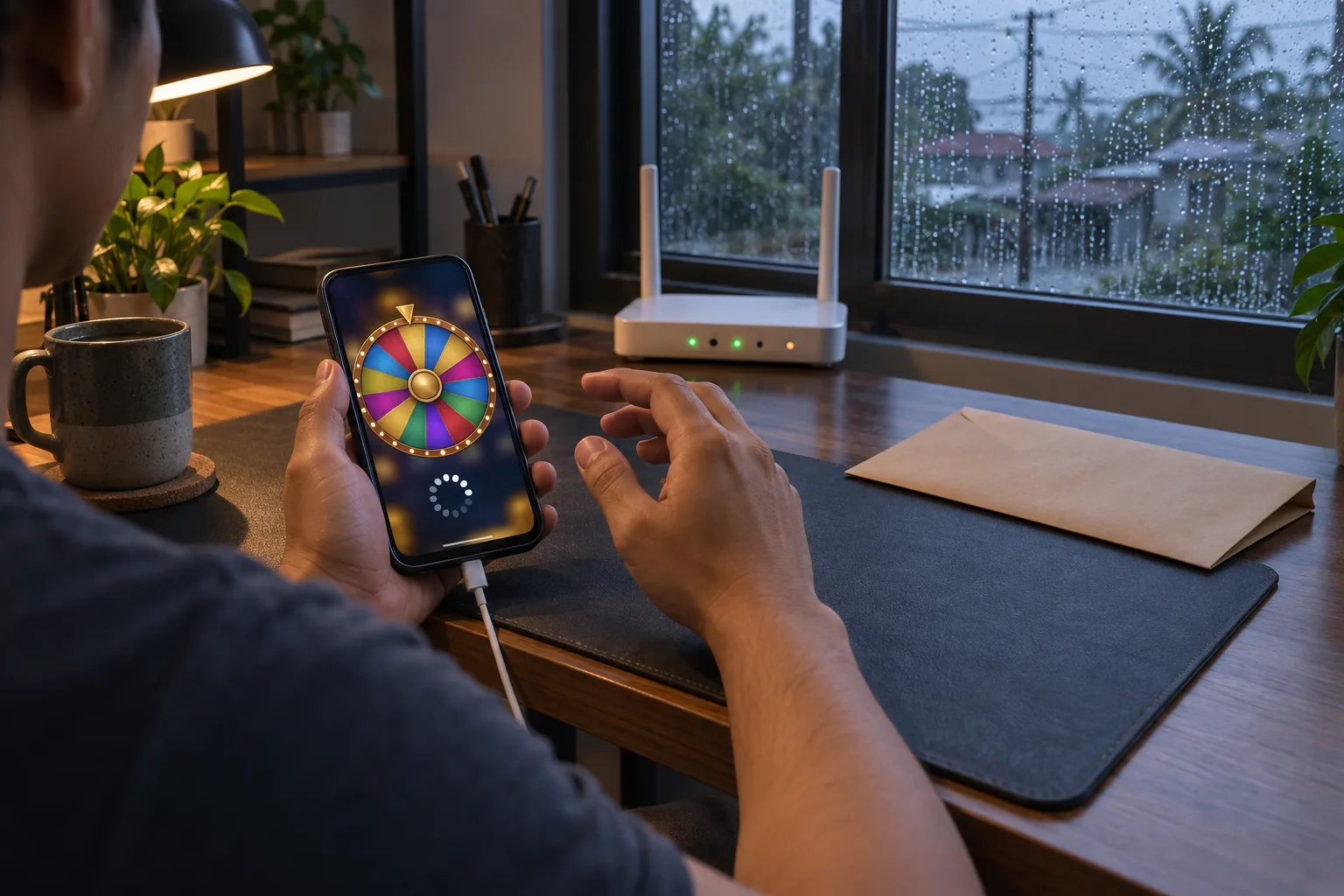
The same principle applies when mobile data becomes unreliable. A delayed animation is not a reason to submit the wager again. Check the recorded status before further action. If acceptance remains unclear, stop interacting and use the site's transaction or game-history help process.
Promotional progress can compete with your stopping point
An unfinished promotion can make a sensible stopping cue feel inconvenient. That is precisely when its conditions need closer attention. If you accepted a Bonus, check whether Wheel wagers qualify and whether the selected game or betting pattern faces restrictions.
The relevant comparison is not simply the promotional balance against your cash balance. It is the spending and time the conditions could require against the limit you already chose. A progress indicator can show movement without showing that continuing is affordable.
- Check whether this particular Wheel game contributes towards promotional wagering, and read any exclusions covering game categories or specific betting patterns.
- Find the maximum permitted stake during promotional play, including whether the restriction concerns individual selections or the total committed to one round.
- Read which balance funds wagers first, because the order can affect how quickly your own deposited money becomes exposed to losses.
- Confirm the expiry condition and any consequences of cancelling participation before deciding whether an interrupted session leaves a useful offer to continue.
- Check how Free Credits and any resulting winnings are treated, including restrictions on conversion, withdrawal, and eligible Wheel play.
For a hypothetical example, a PHP 100 promotional balance with a requirement of twenty times that balance would involve PHP 2,000 in qualifying wagers. That figure describes turnover, not a guaranteed loss or a promise of withdrawal. If the terms apply the multiplier to another base, the calculation changes.
Completing that turnover may involve repeatedly exposing the remaining balance to loss. The offer does not become worthwhile merely because some progress has already been made. Stop when your spending or attention limit arrives.
Your e-wallet should not become the repeat button
After a losing sequence, returning to the cashier can feel like another routine tap. Adding money is a separate financial decision, however. A session allowance loses its purpose if every depleted balance triggers another transfer.
If the cashier lists GCash or Maya, inspect the available route and its conditions there before sending money. A familiar payment name does not establish the site's current limits or charges. Likewise, using a payment centre adds a physical step but does not make extra gambling expenditure more affordable.
- Keep fare, food and bill money outside the amount allocated for gambling, even when everything is accessible through the same e-wallet application.
- Review the cashier's payment instructions and applicable charges before authorizing a transfer, rather than relying on a route remembered from another session.
- Check an unresolved transfer through its payment record before considering another attempt, so uncertainty does not become a reason for duplicate funding.
- Decline an additional deposit when its purpose is recovering previous losses, meeting a countdown, or keeping an unaffordable betting layout unchanged.
What matters is the decision behind the transfer. A convenient payment route should not override a limit established while you were thinking clearly.
Make attention part of the price of a round
A Wheel wager requires more than its displayed stake. You also need enough uninterrupted attention to understand what will be submitted and whether you can afford it. A crowded screen, an approaching vehicle, or an expiring offer can weaken that judgment without changing the game itself.
Use the next available pause to decide whether playing still fits the situation. If it does, inspect the complete wager and keep the existing allowance. If it does not, leave the next round alone. Being able to stop is more useful than maintaining a familiar sequence of taps.